
When summer hits Colorado Springs, your air conditioner should keep your home cool and comfortable—without running nonstop. If your AC is struggling, blowing warm air, or just can’t keep up, you’re not alone.
At Allright Plumbing & HVAC, this is one of the most common calls we get during peak summer months. The good news? Many of these issues are fixable—sometimes quickly.
Let’s break down what’s going on and what you can do next.
Quick Answer
Why is my AC not keeping up?
Your AC may not be keeping up due to:
- Dirty air filters restricting airflow
- Low refrigerant levels
- Dirty condenser coils
- Leaky ductwork
- An aging or undersized system
If your system runs constantly but doesn’t cool your home, it’s time for a professional inspection.
1. Dirty Air Filters (The #1 Culprit)
Colorado’s dry, dusty climate clogs filters faster than most homeowners expect.
Signs:
- Weak airflow
- Rooms not cooling evenly
- Higher energy bills
Fix:
Replace your filter every 1–3 months—more often in summer.
2. Your AC Is Low on Refrigerant
Refrigerant is what actually cools the air. If levels are low, your system can’t do its job.
Signs:
- AC blowing warm or slightly cool air
- Ice forming on the unit
- Hissing or bubbling noises
Fix:
This is not a DIY repair—low refrigerant usually means there’s a leak. You’ll need a licensed HVAC technician to inspect and recharge the system.
3. Dirty Outdoor Unit (Condenser)
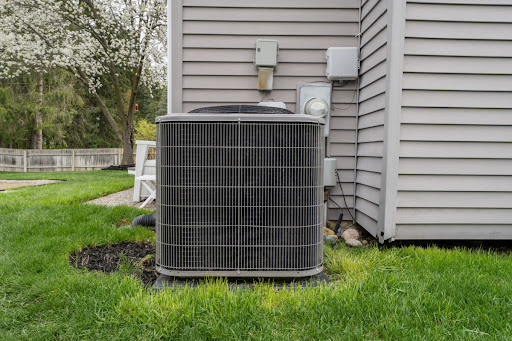
Your outdoor unit releases heat from your home. If it’s covered in dirt, debris, or cottonwood, it can’t function properly.
Signs:
- AC running constantly
- Poor cooling performance
- Overheating system
Fix:
- Turn off power
- Gently rinse the unit with a hose
- Clear debris within 2–3 feet around it
4. Ductwork Leaks
If your ducts have leaks, cooled air is escaping before it reaches your rooms.
Signs:
- Hot and cold spots throughout the house
- AC running longer than normal
- Higher utility bills
Fix:
Professional duct inspection and sealing can significantly improve efficiency.
5. Your System Is Too Small (or Too Old)
Not all AC systems are built for Colorado’s elevation and temperature swings.
Signs:
- System runs all day with little improvement
- Your home never reaches the set temperature
- Unit is 10–15+ years old
Fix:
A properly sized, energy-efficient system may be the best long-term solution.
What You Can Check Right Now
Before calling for service, try these quick steps:
- ✅ Replace your air filter
- ✅ Check your thermostat settings (set to “cool”)
- ✅ Make sure vents are open and unblocked
- ✅ Inspect your outdoor unit for debris
If your AC still isn’t keeping up, it’s time to bring in a pro.
Why This Happens More in Colorado Springs
Homes in this area face unique challenges:
- Higher elevation = thinner air, which impacts system performance
- Intense sun exposure increases cooling demand
- Dust and debris clog systems faster
That’s why regular maintenance isn’t optional here—it’s essential.
When to Call Allright Plumbing & HVAC
Call a professional if:
- Your AC is blowing warm air
- Airflow is weak or inconsistent
- Your system won’t turn off
- Your energy bills suddenly spike
Our team can quickly diagnose the issue and get your system back to peak performance—without the guesswork.
Final Thoughts
If your AC isn’t keeping up, it’s usually a sign something isn’t working as it should. Catching small issues early can save you from expensive repairs—or a full system replacement—down the road.
If you’re in Colorado Springs and need help, Allright Plumbing & HVAC is here to keep your home cool, efficient, and comfortable all summer long. Give us a call: (719) 597-1099.
❓ FAQ Section
How do I know if my AC is undersized?
If your AC runs constantly but never reaches your desired temperature, it may be too small for your home.
Why is my AC running but not cooling?
This is often caused by low refrigerant, dirty filters, or a malfunctioning compressor.
How often should I service my AC in Colorado?
At least once per year—ideally in spring before peak summer use.
Can a dirty filter really affect cooling that much?
Yes. A clogged filter restricts airflow and can significantly reduce your system’s efficiency.
What temperature should I set my thermostat in summer?
Most experts recommend 72–78°F for a balance of comfort and efficiency.